Image

Revision Hacks: Harnessing the Red Pen

Writing diaries

Once a month or so, my writing group gets together at Writer’s Ramble to share our individual experiences with the hope of inspiring other writers. This month’s topic focuses all on revision – specifically the tips and tricks we use to make the process less painful. I think every single person in my group has a different method, which is why it tickles me we’re sharing them all in one place. Even if you don’t find my Hacks helpful, you just might find your next revision epiphany in one of their posts. Just click the Writer’s Ramble link above and our world of revision will be at your fingertips…

Revision Hacks: Harnessing the Red Pen

Just as there are countless ways to write a book, so are there countless ways to revise it. There are so many different methods out there that it can be difficult for a writer to find the “best” ones. It’s all about trying as many as you can and developing your own hybrid technique for the ones that work best for you. I have had 3 major revision epiphanies within the last couple of years and I’d like to take a moment to share them with you. Who knows, maybe they will change your writing process dramatically, too. :-)

Hack #1: Prep-Work

I personally think good preparation takes out a big chunk of work in the revision process. I also think a major component of revision is cutting out the scenes that don’t either advance plot or develope character. To that end, it makes sense to have a good portion of your scenes mapped out before you begin writing. But how do you know how many scenes to plan for? Thanks to the LTUE writing conference I went to in February, I now have the answer, and it has been radically life-changing. John D. Brown and Larry Correia made it sound so simple that I almost feel stupid for not figuring it out for myself. Here’s their method:

1. Figure out how many words your novel’s genre usually requires (there are general standards in place that are pretty easy to find with a Google search).
2. Figure out the average length of your scenes (a great starting place is about 3000 words per scene).
3. Divide the genre standard by your average scene length:
65,000 ÷ 3000 = 21.6667 (approximately 22)

This means that my 65,000-words YA book should contain about 22 scenes.

Can you say EPIPHANY? I went home and played with this idea with a WIP that had at least 40 scenes, combined several of them and threw out others entirely, then brainstormed for about 10 minutes to get them into a working order (I wrote the name of each scene down on a flash card and rearrange them on the floor until I had something I liked – which is also a strategy that has worked well for me), and came away with the most concise plot structure of any book I’ve written so far. Now, I feel like it’s practically writing itself because I have such a strong guideline in place.

What’s cool about this approach is that takes away a bit of the intimidation factor. Instead of just writing endlessly until you feel like your book is finished, this structure gives you a finite number of scenes to fill. 22 scenes within which to tell a story is a lot less daunting to me than “however many scenes it takes.” There’s nothing saying you can’t either add or subtract from that number, but you’ll be able to make those decisions with more confidence because you’ll have a strong baseline.

Hack #2: Organizing

The other day I found myself in a disagreement with one of my scenes. No matter how many times I reworded it or changed what I said entirely, it just wasn’t sounding right. I had too many ideas in my head on how it could sound, but couldn’t figure out which ideas would work the best. So I typed them ALL into the document, got frustrated, and walked away. What’s worse, I picked up the latest Robin Hobb novel and was almost brought to tears over the injustice of how fricken beautiful her writing was and how easily it seemed to flow on paper… why can’t my stuff look like that? And why does it seem so much more difficult for me? After throwing a mini writer tantrum, I finally came to peace with the fact that, if I want my novels to be quality, I’m going to have to work at it until I figure out how to get it there my own way (which is, inevitably, the hard way).

So instead of tackling a writing project, I turned that scene into an organizing project:

1. I jotted down a few key things I wanted the scene to convey.
2. I highlighted key words from that list.
3. I went through the scene and highlighted only the passages that supported those keywords.
4. I cut everything else.

It gave me direction. It also gave me confidence that what was there was being kept for a definitive reason. The way I see it, there are two ways to implement this approach: write down everything you can think of first, like I’ve described above, then prioritize and organize it, OR you can start with identifying your keywords, brainstorm within each one of those, then go back and highlight the strongest bits. Either way, hopefully it will help give you clarity on the scene first or second time around. Of course, if the scene isn’t giving you trouble, then this method will probably make you overthink it. I recommend just using it for the ones that, for whatever reason, just aren’t flowing. Sometimes just being confident in what you want to say is all you need as a base to go back and make it sound pretty.

Hack #3: Change-it-up

I don’t know about you, but I find it really difficult to make major revisions within a word document. I lose my place constantly and it’s hard to see more than just a small portion of my work at once. Also, if I have any ideas on how I could reword things, I hesitate to type them in because it just makes everything more cluttered. So I print it out and write my new ideas and possible fixes right over where I think they should go. Handwritten vs. printed means it’s easy to see what your edits are while still allowing you to see how the work used to sound (does anybody else have a difficult time deleting stuff? I’m almost always afraid the new way of saying it will be worse than the old way, but if I change it in the document then I’ve lost record of the first version… might be just me though). Anyway, if I’m still not happy with it, I will grab a notebook and poor new thoughts into that.

This may not seem like a “Hack,” necessarily because I’m basically describing a typical revision process. The reason it’s a Hack for me is that I have found myself staring at the computer screen for hours, not sure how to fix something, but the minute I print it out or start to work on it in a different medium, progression suddenly starts moving forward again. Nowadays, the minute I can’t figure a solution on the computer, I immediately switch formats and have not had a “revision-block” since.

I hope you found some of these Hacks helpful. :-)

Are there any that you use that have totally changed your life? Let me know in the comments, and let’s turn this into a #WritingHackFest.

by Niki Hawkes

Image

Mini Book Review: Elantris by Brandon Sanderson

Elantris by Brandon Sanderson Title: Elantris

Author: Brandon Sanderson

Series: N/A [Thus Far, Anyway]

Genre: Fantasy

Rating: 4.5/5 stars

The Overview: Elantris was the capital of Arelon: gigantic, beautiful, literally radiant, filled with benevolent beings who used their powerful magical abilities for the benefit of all. Yet each of these demigods was once an ordinary person until touched by the mysterious transforming power of the Shaod. Ten years ago, without warning, the magic failed. Elantrians became wizened, leper-like, powerless creatures, and Elantris itself dark, filthy, and crumbling. Arelon’s new capital, Kae, crouches in the shadow of Elantris. Princess Sarene of Teod arrives for a marriage of state with Crown Prince Raoden, hoping — based on their correspondence — to also find love… [continue reading]

The Mini Review:

I have been trying to write this review for well over a week now and I’m not quite sure why it has been so difficult (I mean, how hard can it be to compose a paragraph or two?). I really enjoyed Elantris, which is no surprise considering it’s a Sanderson. There’s something really nice about picking up a novel and knowing it’s going to be good. It contained everything I’ve come to expect from such a great author – fantastic and relatable characters, cool magic system/magical beings, and excellent writing. In the whole scheme of his works, I think Elantris falls somewhere in the middle (keep in mind everything I’ve read from him is 4-Stars or higher). I found countless similarities to his Mistborn trilogy, so if you liked that one there is an excellent chance you will like this one (and vice versa). In fact, there wasn’t anything I DIDN’T like about it… Sanderson strikes again!

Other books you might like:  

by Niki Hawkes

Image

Tackling the TBR [2]: June 2014

11390141_10204031297372012_1610752845695501721_n

(I’m still going to need a better banner)

I started this feature last month as a possible solution to my desperate need for a good TBR system. And you know what? I’m LOVING it so far! It has allowed me to stop stressing about all the unread books in my life because it channels my focus onto the authors I deemed the highest priority – I rest assured that, despite the fact I’m not making my way through my collection as quickly as I’d like, I am at least focusing on the best books first. It also takes away a little bit of that “I’m overwhelmed” factor because there’s usually only twenty books at most in my shortlist (which also gives me a remarkable sense of achievement every time I get to check one off that list). Finally, I love it because I still feel like I get to follow my reading whims – there is a lot of variety within my smaller pool of choices. I think I’ll keep this feature around for a while!

If you missed the Introductory Post, here’s how Tackling the TBR works:

1. At the beginning of each month, I select an author from each of my favorite genres
2. I compile all of their unread books onto my TBR Tackler shelves (physical & digital)
3. I pick from that pile throughout the month as the mood strikes me

Here is my TBR Tackler Shelf for June 2015:

Fantasy: Robin Hobb
Sci-Fi: James S.A. Corey
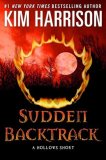
Urban Fantasy: Kim Harrison
Young Adult: Susan Ee
New Adult: Jamie McGuire

I am stoked. There are a lot of excellent titles here for me to choose from (with a large number of them sporting bird wings on the cover, oddly). I’m including Kim Harrison again this month because I just didn’t get a chance to pick her up last time and she is still my number one priority in the Urban Fantasy category. I can’t wait to get started on this list, and that is an awesome feeling!

This experimental system was so much more fun and rewarding because I didn’t do it alone – thank you to all my friends and blogging friends who tried it with me!

I will be sharing this post on the first of each month at least until the end of the year (we will see how it goes). I am also going to include a linky on each post so we can support each other in Tackling our TBRs! Even if you don’t specifically use my system, feel free to share your versions of how you manage your TBR pile… Maybe we can help make each other’s systems even better. :)

What authors are you Tackling this month?

^Yeah, you totally have to click on the frog to see everyone’s links… wish I had been smart enough to figure that out before now (especially since it says so right on it).

by Niki Hawkes

Image

DNF Q&A: Killer Frost by Jennifer Estep

Killer Frost by Jennifer Estep

Title: Killer Frost

Author: Jennifer Estep

Series: Mythos Academy #6

Genre: Teen Paranormal

Rating: 0 stars (DNF)

The Overview: I’ve battled the Reapers of Chaos before–and survived. But this time I have a Bad, Bad Feeling it’s going to be a fight to the death … most likely mine. Yeah, I’ve got my psychometry magic, my talking sword, Vic–and even the most dangerous Spartan on campus at my side, in Logan freaking Quinn, but I’m no match for Loki, the evil Norse god of chaos. I may be Nike’s Champion, but at heart, I’m still just Gwen Frost, that weird Gypsy girl everyone at school loves to gossip about. Then someone I love is put in more danger than ever before, and something inside me snaps. This time, Loki and his Reapers are going down for good … or I am.

The DNF Q&A:

This is a reviewing feature I’ve been eyeballing on one of my favorite book blogs There Were Books Involved for a couple years now because I think it’s an excellent way to talk about an unfinished book fairly. I’m incredibly grateful because Nikki (the brains behind the blog, who has a most excellent name)  kindly allowed me to steal the idea and questions for my own blog. As my list of “amazing books to read” continues to grow, I find I have less and less time and patience to devote to the books I’m just not enjoying. I never would have considered DNFing a book ten years ago, but then I came across a quote, “Read the best books first, for you might not have the chance to read them all,” and have since made it my personal mantra. Life’s too short to read books you’re just not enjoying. So let the Q&A begin!

Did you really give Killer Frost a chance?

Yes – especially when you consider it’s book 6, the final book in the series. The series took a nosedive around the fourth book, and I’ve been just trying to get it over with ever since (which is an awful sentiment – who wants to read anything “just to get it over with” like it’s a chore?). As harsh as that sounds, I did try, making it halfway through Killer Frost before putting it down.

Have you enjoyed other books in the same genre before?

You mean all of the YA Paranormal books that I can’t live without? Yes, I’ve enjoyed those. Here are some of my favorites:

Yes, Twilight is on there. Leave me alone.

Did you have certain expectations before starting it?

Sadly, I think I expected exactly what I got – senseless rehashing of the same concepts over and over again; the random enemy attacks with no discernable strategy; and no real depth of character. Maybe that’s not totally true – maybe I expected more going into the finale of the series, so was even more disappointed when faced with the same issues I’d been noticing all along.

What ultimately made you stop reading?

Frustration that I had already invested so much time in this series and it STILL wasn’t showing any improvement. As I mentioned, I read more than half of this book before finally putting it down, and at least 75% of that half was dialogue and speculation about what the problem was… very little action. Then the bad guys would sporadically show up, gloat, take something, then leave. Same stuff, different day. I ended up taking five minutes and skimming, reading only the first and last paragraphs of each chapter until I got to the end. And you know what? I feel like I got the entire essence of how the story ended without any of the fluff.

Another colossal disappointment was the great concept that never lived up to its potential. All of the students at Mythos Academy are descendents of Spartans, Ninjas, Valkyries, and many other kickass entities throughout history. They all attend this school to learn how to harness their powers and use them to fight the bad guys. The trouble is, aside from a handful of sparring sessions in the gym, none of those great ideas are explored anywhere THROUGHOUT THE ENTIRE SERIES! I wanted to attend school with the characters and learn with them, kind of like what I got to do in the Harry Potter and Percy Jackson books, but instead all we got to do was hang out at the library… A lot. Don’t get me wrong, library was a cool setting, but there were no classes there and everything seemed to revolve around it. I can’t seem to find the exact words to describe how disappointed I am in what I feel is the promise of a school for magic-users unfulfilled. They might as well have been at a prep school that offered a few fencing classes rather than a school for gifted kids. Such a great idea completely unrealized.

Was there anything you liked about Killer Frost? 

This book specifically? No. The series in general? Yes – I really enjoyed the first two books and thought the concept behind the whole thing was really creative. It just failed on delivery. I honestly think it would’ve been a lot stronger condensed down to three books – I’m positive Estep could have included all of the main conflicts and cut out all of the endlessly repeating plot points and speculation. Maybe if she had made the school a bigger part of it… Bah – I’ll never get over that one.

Would you read anything else by this author? 

Honestly, I’m not too sure anymore. I read the first book in her Spider series and enjoyed it, but now I’m almost afraid to keep going. What if I invest all of that time and wind up just as disappointed in the end? Maybe if I allow myself to stop reading as soon as I see it going south… what a sad sentiment.

So you DNF’d the book – would you still recommend it?

No… I don’t think so. Perhaps the first three are recommendable, but why encourage someone to read a series that doesn’t really go anywhere?

Overall, I’m bummed.

I’m also curious if I’m the only one who felt this way about the series… Did anybody else happen to finish it? What are your thoughts?

by Niki Hawkes

Image

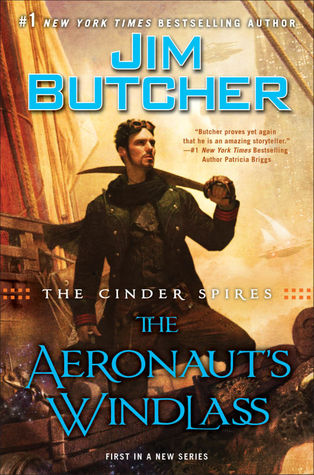
Coming Soon: The Aeronaut’s Windlass by Jim Butcher

aeronauts windlassTitle: The Aeronaut’s Windlass

Author: Jim Butcher

Series: The Cinder Spires #1

Genre: Fantasy

Release Date: September 29, 2015

The Overview: Since time immemorial, the Spires have sheltered humanity, towering for miles over the mist-shrouded surface of the world. Within their halls, aristocratic houses have ruled for generations, developing scientific marvels, fostering trade alliances, and building fleets of airships to keep the peace. Captain Grimm commands the merchant ship, Predator. Fiercely loyal to Spire Albion, he has taken their side in the cold war with Spire Aurora, disrupting the enemy’s shipping lines by attacking their cargo vessels. But when the Predator is severely damaged in combat, leaving captain and crew grounded, Grimm is offered a proposition from the Spirearch of Albion—to join a team of agents on a vital mission in exchange for fully restoring Predator to its fighting glory. And even as Grimm undertakes this dangerous task, he will learn that the conflict between the Spires is merely a premonition of things to come. Humanity’s ancient enemy, silent for more than ten thousand years, has begun to stir once more. And death will follow in its wake.

Waiting on Wednesday
Hosted by Breaking the Spine

Jim Butcher is tackling a fantasy?! Holy hell, sign me up! I am six books into his Dresden Files and am loving them, but something about the premise for this new series has me salivating a little bit… All I’m saying is, I may drop everything to pick this one up day comes out. I can’t see how it could NOT be good.

What book are you waiting on?

by Niki Hawkes

Image

Weekly Writing Workshop: Finding Your Voice

Weekly_Writing_Workshop_1_1

What is/How do You Find Your Voice as a Writer?

Floating in some cosmic space between our brains and the realm of the muses lies each of our voices. Like some basterdised Disney patronous, they dance in the void waiting for us to “discover” them.

As great as that might sound to some people, it is—of course—utter and complete crap. Still, this is how most of my writing teachers up until grad school made it seem. In the seven years that I spent teaching college writing courses, I often saw colleagues—intentionally or unintentionally—propagate this idea.

I’d hear things like “It will just come to you the more that you do it” and “open up and let your personality fall onto the page.” This leaves the serious student and/or aspiring writer with no clue how to go about finding their voice or even what a writer’s voice is.

In reality (a lovely place of vivid images and concrete details) a writer’s voice doesn’t just come to them. It takes study and work to develop your voice as a writer.

But, before you can hunt for something, you first have to know what it is (unless you’re hunting for the inner story in a piece of creative nonfiction, but that’s a different post altogether).

A writer’s voice, in its simplest form, is their diction and syntax. That is, the words they choose (diction) and the order they choose to put them in on the page (syntax). It’s worth noting that diction is not the same thing as vocabulary. One (vocabulary) is the pool of words from which you can draw, the other (diction) is the words you choose to pull out of that pool. Having a large vocabulary doesn’t guarantee good diction, and someone with a small vocabulary may still have strong diction.

This same basic formula (Diction + Syntax = Voice) can be applied to our metaphorical speaking voices. Think of three people you know. Now, imagine that you’ve asked each of them to a movie which they have no interest in seeing. How would they each turn you down? My wife, the ever radiant Obsessive Bookseller, would probably say “Well, I’d love to do something with you, just not that.” While my friend Jared might say, “Oh, hell yeah! Then you can bash rusty nails into my eyes!” At its core, they are both saying basically the same thing but through vastly different voices.

So, how can a writer find their voice (actually a sophisticated and skilled writer can have multiple voices, but, again, that’s a future post)? Besides praying to the spirts of Tolkien and Fitzgerald for it to spontaneously appear inside your skull, you can follow former US Poet Laureate Billy Collins‘ advice. Speaking at the Whitehouse’s poetry day event, Collins said, “Your voice has an external source…It is lying in other peoples’ [writing]. It is lying on the shelves of the library. To find your voice you need to read deeply…you have to look outside yourself. Read widely. Read all the [writing] you can get your hands on.” He went on to add, “In your reading, you’re searching for something…You’re searching for [writers] that make you jealous.” Here, Collins is speaking about finding your voice as a poet, but it applies to any form of writing. I would add that you should search for writing that disgusts you as well. Find what turns you on and off, literarily (not literally) speaking of course.

As is often the case, the truth is that you have to knuckle down and do some hard work. Read a lot. Read diversely. Read like a writer, and by that I mean that you should analyze the writing as you read it. When you find something you like, something Collins would say makes you jealous, try to figure out why you like it. When you read a scene that blows you away, mark it, reread it, analyze why it blew you away. How is the writer doing that? What tools are they using and how are they using them?

That’s the way it seems to work across mediums. Your favorite musician went through it. It’s how they discovered their influences. Great visual artists in every age have gone through it. All of these people understood the importance of respecting the craft. They understood what it means to be a student of their art.

Because writing is second nature for most people today, aspiring writers often take craft for granted. Or, worse, they feel that studying how other writers did it well will rob them of their authenticity, of their voice (stop and think about how counterproductive that reasoning is). I’ve actually had, on multiple occasions, students sit across from me and claim that they want to be a writer because they read King or Rowling and thought “Gee that seems easy, I bet I can do that.”

So, here is your prompt for this week. Make a list of your five favorite scenes/moments from whatever you’ve read recently. Then, go reread those passages. Take notes! Figure out what the author has done to make those moments so powerful.

I’d love to hear how this prompt goes for you! Leave a comment letting me know.

Best,
Darren