Image

Tackling the TBR [82]: June 2022

It’s once again time for my favorite feature: Tackling the TBR! There’s nothing I love more than picking out which books to read next, and this slightly organized method of reading has really amped my enjoyment to the next level. Bring on the mantras!

Read the best books first.
&
Life is too short to read books you’re not enjoying.

However you put together your TBR for the next month, the goal is to reduce the amount of obligation in reading and increase the fun.


Here’s a look at how the system works:

1. Identify the titles that take top priority in your TBR.
2. Combine them all in your own Tackling the TBR post.
3. Throughout the month pick from that pile as the mood strikes you.

Here’s what mine looks like:

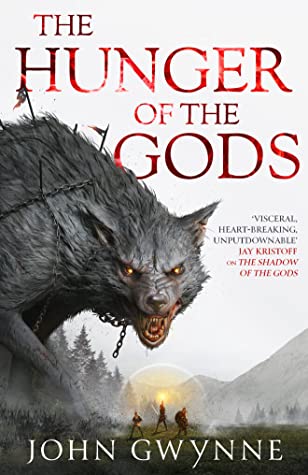
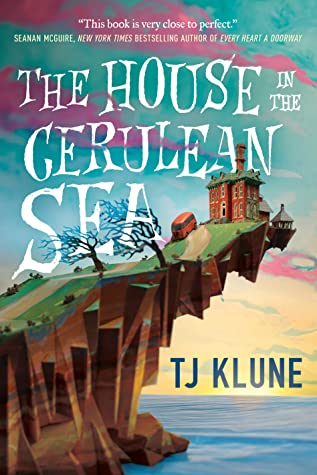
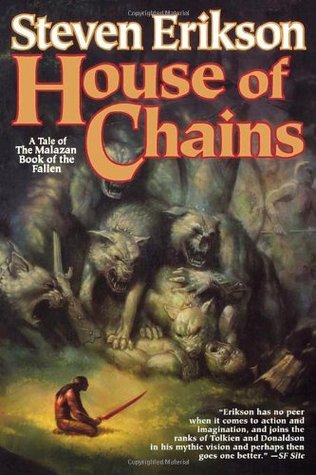
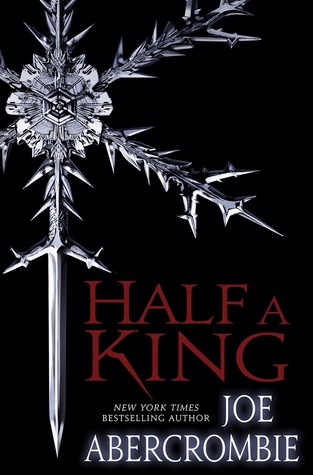
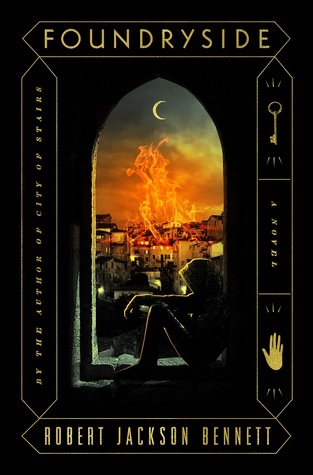
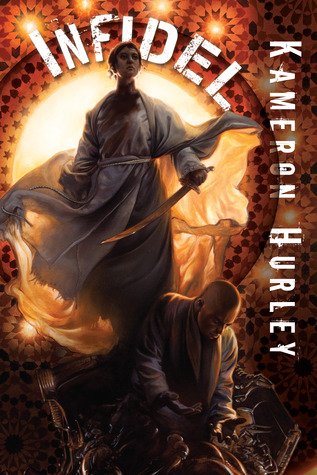
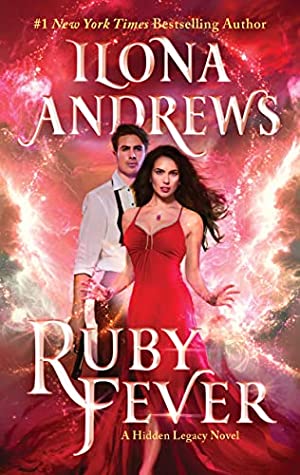
June 2022 TBR Tackler Shelf:

Last month I actually made a good dent in my TBR – making progress on all but three of the books listed. March’s very poor decision-making still has me scrambling to dig myself out of a reading hole, and I reckon I have at least one more month to go before I’m back to reading just one book per format at a time.

To that end, this month I looked at the 7 physical books I had going and decided to make a game out of reading. I used to do this kind of stuff all the time when I was a kid and I figured I either needed to get creative with it or sob/rage until I DNFed everything and quit reading altogether. My game: read one chapter at a time, then rotate to the next book.

To my surprise, the game helped tremendously!

On average I spend about two hours a week physically reading print or ebooks (more or less depending on how many baths I have time to take). I’ve been gradually working to increasing this time, but no method has been super effective… until now. On just my ereader alone, I clocked in almost nine hours per week. Holy shit!!

I think the spice of variety, along with having some absolutely killer books to rotate through (broken up by the occasional dud) was key to my success. I know full well had I tried to read that much focused on a single title, I would’ve gotten burnt out. So instead of finishing a book a week, I managed to progress most of them to about the 30-40% range.

As with any new reading game I’ve tried over the years, I know I’ll eventually want to mix it up again. But for now reading has been a joy and I’m really proud of my progress. I’m currently down to 6 books going (finished one, DNFed one, started a new one).

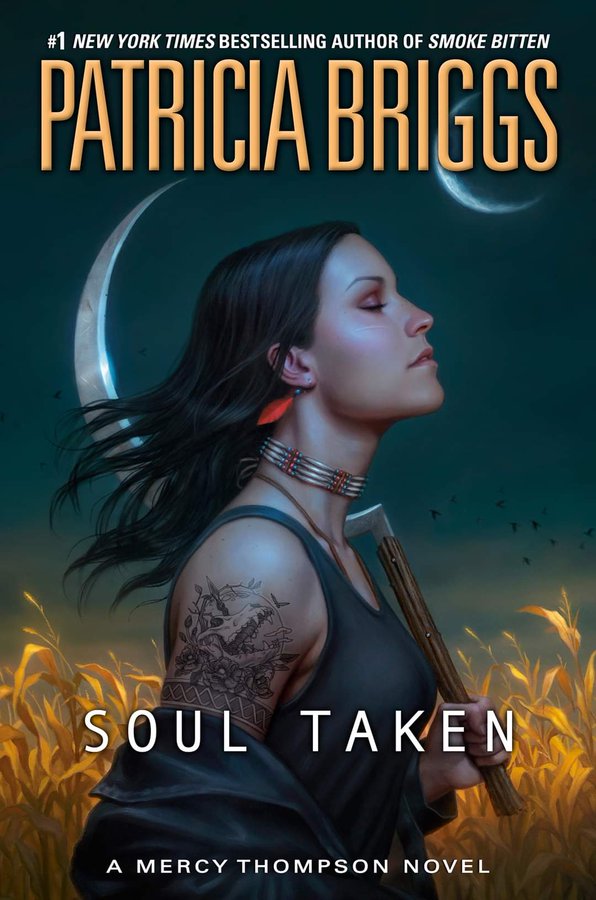
My goal is to be down to only two books going by the end of June so I can start Soul Taken by Patricia Briggs. Then I’d like to be down to just one by the end of July. At my current rate, that’s totally do-able. We’ll see how it goes. :)

The morals of the story for the month are:

•Stop getting yourself into these situations where it takes you months and months to unbury yourself from your currently reading stack.

•When buried, do what you can to enjoy the moment despite the circumstances and get creative to make it fun.

•You enjoy books MUCH less when you’re anxious about getting to the next one.

To that last point, I’ve managed to have only one audiobook going this month, and wouldn’t you know it – I’m actually enjoying myself for the first time in months! I think one at a time with the quicker completion and freedom to choose that come along with that will be key to my overall reading health.

I’m pleased I’ve found ways this month to mitigate what could’ve been a massive reading slump, but the saga continues…


Have a great month in reading!

by Niki Hawkes

Image

Book Review: Sweep of Stars by Maurice Broaddus

Title: Sweep of Stars

Author: Maurice Broaddus

Series: Astra Black #1

Genre: Science Fiction

Rating: 2.5/5 stars

The Overview: The Muungano empire strived and struggled to form a utopia when they split away from old earth. Freeing themselves from the endless wars and oppression of their home planet in order to shape their own futures and create a far-reaching coalition of city-states that stretched from Earth and Mars to Titan. With the wisdom of their ancestors, the leadership of their elders, the power and vision of their scientists and warriors they charted a course to a better future. But the old powers could not allow them to thrive and have now set in motion new plots to destroy all that they’ve built. In the fire to come they will face down their greatest struggle yet. Amachi Adisa and other young leaders will contend with each other for the power to galvanize their people and chart the next course for the empire. Fela Buhari and her elite unit will take the fight to regions not seen by human eyes, but no training will be enough to bring them all home. Stacia Chikeke, captain of the starship Cypher, will face down enemies across the stars, and within her own vessel, as she searches for the answers that could save them all. The only way is forward. -Goodreads

The Review:

Sweep of Stars was an interesting read.

The first half of the book was very much all about the characters – establishing the many POVs and introducing the reader to their society. My favorite thing about the book was this inspiring sense of community the group created – one where looking out for one another and doing things in the interest of the people rather than the self was commonplace. A place where everyone genuinely cared about one another and found this familial unity because of it. I think our world could use a bit more of the Muungano spirit. Granted, some characters were better at upholding the “Muungano way” more than others, but that’s where the story’s conflicts start to trickle in.

It took a while for the driving plot/purpose of the story to become evident – almost 50% through the book. I was wondering well before that if there WAS going to be an external conflict or if we’d be getting a more B.Chambers-style novel. Craving a bit more from the story, I thought the conflicts sparked a bit of life back into it and provided some decent momentum through the end of the book.

Because the novel was so character-driven from the start, I’m surprised that I didn’t have more of a connection to them. I think part of the problem was the shear number of POVs (7 or 8), so it took a long time to get back to any one character, effectively killing all the momentum. By the time the conflicts started hitting, I cared about what happened, but didn’t feel more than an arms-distance investment in the story as a whole. I think fewer characters and a quicker inciting (a clear one, anyway) moment would’ve gone a long way to improving my experience.

While most of the characters were written in the third person, one was written in second person, one in first, and one in (I believe) first person plural (like, “we do this, we do that”). I’m generally a lot more welcoming than many readers when it comes to authors playing with perspectives in books, especially if it’s incorporated for a purpose. It can lead to some cool payoffs, like the reason for the second-person perspective in N.K. Jemisin’s Broken Earth trilogy (which is brilliant, and still one of my favorite reveals of anything I’ve read). In this case, I imagine the variety of perspectives was fun for the author to play around with, but I didn’t see evidence in this first book indicating it was any more than just a novelty.

To that end, and I’m by no means an expert on this, some of the perspective dynamics didn’t make sense to me. For example, if you have both an “I” (first person) and a “you” (second person) character, doesn’t that usually indicate that it’s the “I” character narrating both perspectives? Like, “I do this and you do that?” And if the two were to come together in the same scene, the “I” (let’s call him Bob) character wouldn’t say “you look at Bob,” he would say, “you look at ME.” … only, that didn’t happen in the book when the characters met, indicating that there are perhaps two “I” perspectives (or three, counting the “we” perspective) and we just haven’t met the third “I” yet? Lol are you confused yet?! I’m still trying to make the POV math add up in my head. The discrepancy wasn’t a huge detraction from the story, but thoughts about it did pull me out a lot more than I wish they had.

Creative POVs aside, the writing was very artfully done. The prose flowed well and some of the basic sentence construction choices screamed to me of a writer who knows his voice and conveys it well. Even though I didn’t always feel connected to the characters and the story, I still appreciated the writing.

As a minor note, I attempted to switch to audio several chapters in for my commute and found it a wildly different experience. The cultural cadence of the narrator put pauses into sentences that weren’t present in the text – giving the narrative a very disjointed feel that I don’t think served the beautiful writing style very well. Because of that I’d suggest going the text route with this one.

Recommendations: this is an interesting Scifi with some great initial ideas. If you enjoy more character-driven Scifi and don’t mind some creative perspectives infusions, this might be a great pick. To get the most out of the prose, skip the audio on this one.

Other books you might like:

by Niki Hawkes

Image

DNF Q&A: The Winds of Khalakovo by Bradley P. Beaulieu

Title: The Winds of Khalakovo

Author: Bradley P. Beaulieu

Series: Lays of Anuskaya #1

Genre: Fantasy

Rating: 1/5 stars [DNF]

The Overview: Among inhospitable and unforgiving seas stands Khalakovo, a mountainous archipelago of seven islands, its prominent eyrie stretching a thousand feet into the sky. Serviced by windships bearing goods and dignitaries, Khalakovo’s eyrie stands at the crossroads of world trade. But all is not well in Khalakovo. Conflict has erupted between the ruling Landed, the indigenous Aramahn, and the fanatical Maharraht, and a wasting disease has grown rampant over the past decade. Now, Khalakovo is to play host to the Nine Dukes, a meeting which will weigh heavily upon Khalakovo’s future. When an elemental spirit attacks an incoming windship, murdering the Grand Duke and his retinue, Prince Nikandr, heir to the scepter of Khalakovo, is tasked with finding the child prodigy believed to be behind the summoning. However, Nikandr discovers that the boy is an autistic savant who may hold the key to lifting the blight that has been sweeping the islands. Can the Dukes, thirsty for revenge, be held at bay? Can Khalakovo be saved? The elusive answer drifts upon the Winds of Khalakovo… –Goodreads

The Q&A:

Inspired by Nikki at ThereWereBooksInvolved, this is my favorite way to discuss DNFs. As my list of “amazing books to read” continues to grow, I find I have less and less time and patience to devote to the books I’m just not enjoying. I never would have considered DNFing a book ten years ago, but then I came across a quote, “Read the best books first, for you might not have the chance to read them all,” and have since made it my personal mantra. So let the Q&A begin!

Did you really give The Winds of Khalakovo a chance?

More so than I normally do for a DNF – I made it to about the 50% mark before finally throwing in the towel. It had a lot of potential, so I kept hoping it would get better.

Have you enjoyed other books in the same genre before?

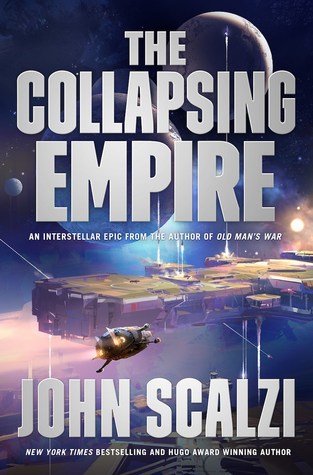
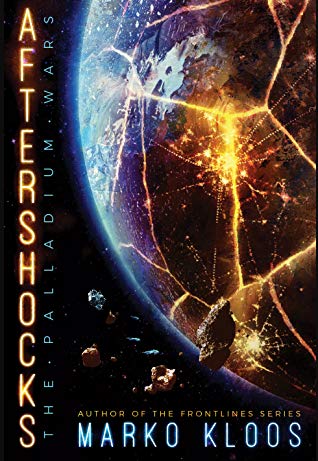
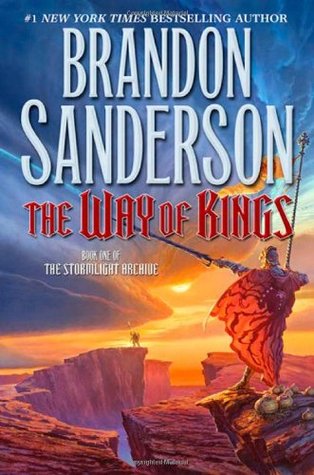
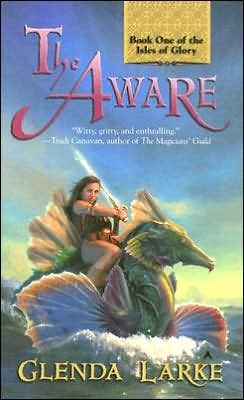
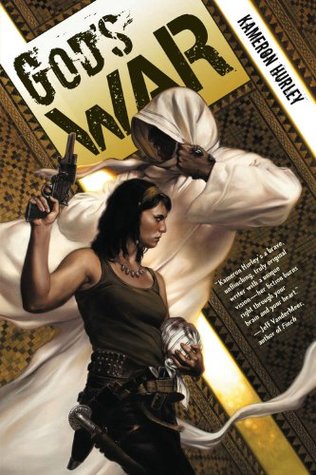
Yes! Arguably many of my reviews are skewed in favor of books with strong world-building elements. I’m always drawn to the ones with exotic covers (to varying success, as many have amazing covers with text that just doesn’t quite measure up to those promises). Here are a few books with awesome covers that actually panned out (don’t judge me on the Glenda larke, haha. I loved the variety in flora and fauna it promised):

While I think the basic premise of Khalakovo was original and interesting, it lost me on execution.

Did you have certain expectations before starting it?

Yes, as mentioned I was expecting rich world-building, trading politics, and lots of adventure and excitement! It ultimately delivered on none of those things by the time I put it down.

What ultimately made you stop reading?

When it was clear none of that dynamic politicking, fun adventures, and epic world building was happening, I contented myself with just diving into this character-driven novel. The trouble is, even with characters as really the ONLY focus of the book, they were surprisingly thin.

I believe part of the problem was in the structure of the plot. It’s seemingly designed to keep a lot of important info away from the reader in favor of some reveals later (I’m assuming the payoff is there even though I lost patience before making it that far). The author didn’t allow the reader to see what motivated any of the characters, save the main bloke. Nor what connected one character to the other (we knew they were important, but never why). And, essentially, why the reader should care about these people and what they’ve got going on. After the umpteenth intimate dialogue scene between two characters without me having any more info than I started with, I’d had enough.

The writing style was also unnecessarily clunky. The author was clearly going for a particular style of formal communication between characters (possibly to help establish his world-building), but for me the formality, even in the thought-patterns of the characters, was excessively wordy, effectively keeping them feeling like caricatures rather than real, relatable people.

There was also a lack of contractions in the text (like can’t and wouldn’t) that contributed to the story feeling drawn-out. I realize some authors prefer the sound of their story when all words are fully written out, but to me it comes across a bit condescending, reminiscent of the types of sentences in my Kindergartner’s practice reading books.

I would argue that adjusting the language and cutting out all of the unnecessary words would’ve reduced the book by about 20%, making the pacing much more enjoyable, and increasing connection to the characters tenfold. But that’s if it were my book. Beaulieu’s success in the fantasy market proves he’s doing something right. But it’s clear his tastes and mine do not align in this instance. I had trouble with the writing in the Twelve Kings of Sharakhai as well, but gave the benefit of the doubt that it might have been more a pacing issue due to the abundant flashbacks in that story. Now I’m wondering in hindsight if my weird disconnection to that book had anything to do with the the basic writing itself…. We’ll see, if I ever make time to reread and continue that one.

Was there anything you liked about The Winds of Khalakovo?

What world-building their was (air ships!!) was a ton of fun even if it wasn’t prevalent. The action scenes were exciting (all two pages of them between every 50 of dialogue). And I still really loved the overall conflict of this “blighted” land introduced very early on in the book – it gave the main character a personal investment in the issue, which was pretty cool. However, at 50% he had made exactly 0% progress on trying to find answers.

Would you read anything else by this author?

Yes, I will probably read his novella The Burning Light and also reread the Twelve Kings of Sharakhai with the intention of getting further in that series. Atm I’ve no interest in continuing this one.

So you DNF’d the book – would you still recommend it?

Surprisingly, yes. The thick language probably wouldn’t bother people as much as it did me. Some people like those types of plots where nothing is made easy for the reader. And the overall atmosphere was cool enough that I think it would keep more patient readers engaged, especially if they like the characters. It wasn’t poorly written, it was just written completely opposite from everything I personally look for in my books.

by Niki Hawkes

Image

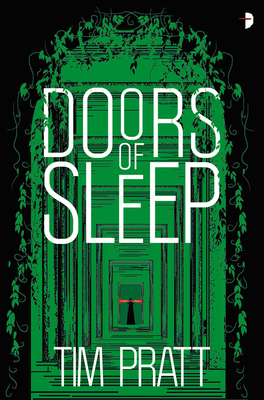
Book Review: Doors of Sleep by T.A. Pratt

Title: Doors of Sleep

Author: Tim Pratt

Series: Journals of Zaxony Delatree #1

Genre: Science Fiction

Rating: 2/5 stars

The Overview: Every time Zax Delatree falls asleep, he travels to a new reality. He has no control over his destination and never knows what he will see when he opens his eyes. Sometimes he wakes up in technological utopias, and other times in the bombed-out ruins of collapsed civilizations. All he has to live by are his wits and the small aides he has picked up along the way – technological advantages from techno-utopias, sedatives to escape dangerous worlds, and stimulants to extend his stay in pleasant ones. Thankfully, Zax isn’t always alone. He can take people with him, if they’re unconscious in his arms when he falls asleep. But someone unwelcome is on his tail, and they are after something that Zax cannot spare – the blood running through his veins, the power to travel through worlds… -Goodreads

The Review:

Truthfully, I would not have picked up Doors of Sleep had it not been a book club selection. And even then, I resisted. It’s not my usual brand of novel. But the beauty of a book club is that it encourages you to try things you might not have otherwise, so here we are.

The verdict? It was okay.

I liked the first half better than the second. It introduced the premise for the story, infused some interesting characters, and gave a page-turning conflict. I found myself genuinely interested in continuing.

And then I got to the magic cornucopia.

This is not my first venture into Pratt’s work. The first 6 or so Marla Mason books are among the strongest urban fantasies I’ve ever read. I loved the first few (and the prequel) with a passion… and then lost patience once he started self-publishing them.

His ideas, which are already wildly creative and out-there, got too ridiculous and wild without a publisher’s careful eye on keeping the content geared towards the most mass- appeal. I find I have no patience when the things that happen in the book start to get stupid, but I know my tolerance level is less so than most. I just don’t enjoy the far-fetched.

So when things started taking that turn in Doors of Sleep, I lost a lot of the investment I was feeling in the story. Pair that with some lengthy existential dialogue passages, add a slowdown in pacing, then top it off with some very abrupt, convenient, and non-sequitur character growths, and you have the reasons for my eventual dissatisfaction. I also did not particularly enjoy the antagonists, which I’m sure didn’t help the experience.

Overall, I wish I’d enjoyed it more. It had a lot of promise and a cool idea, which I feel was explored pretty well in this first book. However I probably won’t be continuing the series.

Recommendations: if you appreciate the more conceptual novels and really don’t mind when things get ridiculous/weird, then Doors of Sleep might be your jam. I can definitely say I’ve never read anything quite like it.

Other books you might like (Note: because I’ve never read anything quite like Doors of Sleep, my OBYML selections are just a compilation of the last five weird books I’ve read…. perhaps they’ll strike a similar chord):

by Niki Hawkes

Image

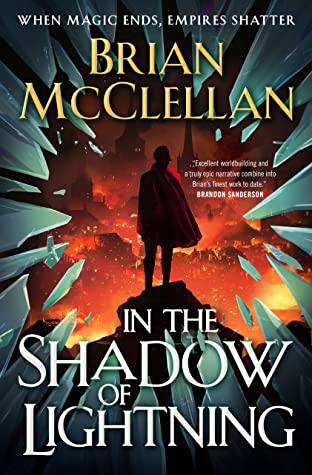
Book Review: In the Shadow of Lightning by Brian McClellan

Title: In the Shadow of Lightning

Author: Brian McClellan

Series: Glass Immortals #1

Genre: Fantasy

Rating: 4/5 stars

Release Date: June 21, 2022

The Overview: Demir Grappo is an outcast—he fled a life of wealth and power, abandoning his responsibilities as a general, a governor, and a son. Now he will live out his days as a grifter, rootless, and alone. But when his mother is brutally murdered, Demir must return from exile to claim his seat at the head of the family and uncover the truth that got her killed: the very power that keeps civilization turning, godglass, is running out. Now, Demir must find allies, old friends and rivals alike, confront the powerful guild-families who are only interested in making the most of the scraps left at the table and uncover the invisible hand that threatens the Empire. A war is coming, a war unlike any other. And Demir and his ragtag group of outcasts are the only thing that stands in the way of the end of life as the world knows it. -Goodreads

The Review:

In the Shadow of Lightning is one of the most unconventional fantasy books I’ve read in a while.

There are a lot of weird components that probably shouldn’t work, but somehow McClellan managed to weave them all together in a (mostly) seamless manner. Truth be told, it’s a bit more bizarre than I usually prefer. I’m not sure I would’ve given the benefit of the doubt had it been from any other author. But seeing as both Powder Mage trilogies are among my all-time favorites, I went in with a huge level of trust that McClellan would be able to deliver. Thank goodness he did, in flying colors (or glass shards, as the case may be).

My favorite thing about the book was the magic system. Magic-forged glass of varying colors, each type offering a different benefit to the user. It went into some good details on how the glass was created and used, which were among the best parts of the story for me – I love reading about people who are exceptional in their field of work. I also really enjoyed seeing the magic used in the many hand-to-hand combat scenes. Really cool.

The only element that didn’t quite land for me was the mystery. Have y’all ever read those Nancy Drew / Hardy Boys mash-up novels where the plot and mystery are much more exciting than either ND or HB on their own… but they’re still kids books and you can totally see the formula for the mystery where the breadcrumbs are all in a neat little row for them to follow? That’s how the mystery in this book came across to me. I gave it the benefit of the doubt from the beginning to see how it would develop and unfortunately had everything figured out hundreds of pages before I think I was supposed to. Oh well.

Lackluster mystery aside, at least I enjoyed the characters enough to go through the motions with them. There were several POVs, and all of them added a different flavor to the story. I’d be hard-pressed to pick a favorite, as they all contributed in a meaningful way towards the bottom-line and I liked them all. One of my favorite things about McClellan’s writing in the PM trilogies was how he was able to create such deep connections between characters. It’s one of the best examples of amazing character work that I’ve ever read, and a huge part of why he’s one of my top authors. I saw a bit of that brilliance peek through here and there in this story, but not to the degree I was expecting. I’m hoping for a bit more in the second book, as I will definitely be reading on. No spoilers, obviously, but he dropped a bomb (figuratively) in the epilogue that had me going… “wth did I just read?!” So now I really need to get my hands on the next one.

Recommendations: this is an incredibly creative and original fantasy that has the power to jolt (pun) anyone out of a reading rut. Truthfully, I don’t think I would’ve been quite so accepting of the wild ideas if the author hadn’t already established my trust in the Powder Mage trilogies. So proceed with caution if this is your first McClellan. While wildly entertaining, it didn’t strike the same chord with me as other works have. At least not yet… the series is young.

Other books you might like:

by Niki Hawkes

Image

Tackling the TBR [81]: May 2022

It’s once again time for my favorite feature: Tackling the TBR! There’s nothing I love more than picking out which books to read next, and this slightly organized method of reading has really amped my enjoyment to the next level. Bring on the mantras!

Read the best books first.
&
Life is too short to read books you’re not enjoying.

However you put together your TBR for the next month, the goal is to reduce the amount of obligation in reading and increase the fun.


Here’s a look at how the system works:

1. Identify the titles that take top priority in your TBR.
2. Combine them all in your own Tackling the TBR post.
3. Throughout the month pick from that pile as the mood strikes you.

Here’s what mine looks like:

May 2022 TBR Tackler Shelf:
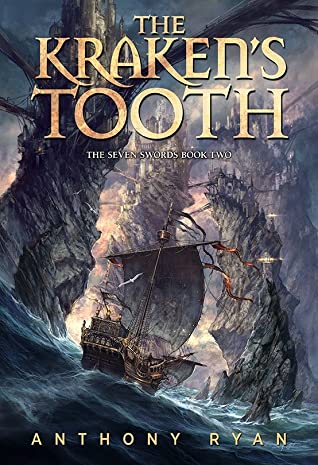
Last month I read quite a few off of my list, but it was a haphazard experience. I find myself venturing into May with no fewer than SEVEN books in progress. That’s way too many. But it’s not unexpected given my usual reading pattern. All that doubling-up I did in March, where I set aside several WIPs to attend to time-sensitive obligations, resulted in me feeling really behind in reading and not able to pick up what I wanted. The problem compounded as I had too many going at once and was rarely rewarded by being able to mark one as “Read” on Goodreads (I live for that payoff). Then I get into a slump and resentful that I haven’t been able to pick up anything new because I’m so buried so I throw everything I’m reading out the window and pick up something totally random (Body Finder, this time around – a YA lovestory/mystery) and end up getting a bit of a second wind from that rogue read.

I AM NOT CONSTRAINED BY MY TBR!

Or, at least that’s how it feels for a couple of weeks, where I give myself permission to start whatever I feel like starting and the rest of the WIPs will be tended to when I have a chance. Maybe it’s the next stage of acceptance? Either way, I approach reading with a bit more peace, but I still hate the situation I’m in. But aside from risking reading burnout by forcing myself to read more in a day than I actually want to, I resign myself to the long-haul.

Right now I’m in the long-haul stage. I recognize that it’s going to take me about two or three months to dig myself out of this reading hole, but I’m getting systematic about it. Most of the books are on my kindle, so I made a game of reading one chapter from each book at a time in rotation. I’ve been doing it for six hours and have been having fun. The next stage will be me getting impatient that I haven’t finished anything in several weeks, so I’ll start speed reading, DNFing, and abandoning for later until I end up with just one or two at a time. By this point I will have been not enjoying my reading experience for at least four months and will vow with every fiber of my being to never let outside obligations get me into this situation again.

But also… there’s an ARC I didn’t think I’d get approved for that just became available. So, maybe I’ll just read that, then get back to my reading restoration plan.

In all seriousness, this is quite the problem for me. I went through several of these reading slump cycles before finally figuring out what caused them all. After spending four months at the beginning of last year digging myself out of this exact same situation, I figured I’d finally learned how to avoid it. And maybe, just maybe, I could have the impatient-free reading life I’ve always hoped for. But my choices have not reflected my newfound values in this, as I continue to ignore what I need for myself in favor of book clubs, getting greedy with ARCS, and agreeing to Buddy Reads (note: it’s not THAT I’m agreeing to these things, it’s WHEN. Like, don’t sign up unless you find yourself between reads and it sounds fun). Perhaps a combination of facing these consequences for the next several months (again) and applying what I just learned from the book “Essentialism,” I’ll learn how to say “No, thank you” to requests and treat reading as a sacred, personal experience. I feel like I’m getting there. I just have to dig through this mountain of books I’ve placed in front of myself first. Wish me luck.


Have a great month in reading!

by Niki Hawkes