Image

Top Ten Bookish Goals for 2015!

top ten tuesday Hosted by The Broke and the Bookish 

I’ve always been a person who enjoys setting and achieving goals, but have never bought in to the new year resolution thing. After all, if you want to change something about yourself, why wait until the new year? I realize there’s the whole symbolism of “new year, new you,” but I have found that if I implement the changes I want to make in small increments throughout the entire year, I always get the results I want without the added pressure of trying to do them all at once. That said, last year was the first year I declared ten bookish resolutions, and I thought it was kind of fun. Looking back I am tickled to say that I achieved five out of my ten goals from last year:

 2014 Goals Achieved:

1. Stick to my new “Read 4, Buy 1″ rule to A. Save more money and B. Enjoy the thousands of books I already own and C. Make me more selective of what I bring home.

Because of this reward system strategy, I am now incredibly conscious of what books I’m bringing home, have managed to make a sizable dent in my collection, and have reduced my book buying considerably. I love the system, but it is slightly skewed when you compare the average teen book to the average high fantasy. Basically, there’s no incentive to read anything but teen books. Going forward, I’m implementing the change Read 1500 (pages), Buy 1 instead. It’s not as catchy, but I believe in the long run it more accurately reflects effort versus reward. For the record, I ended the year having purchased just six books more than I earned – all of which were acquired this month with gift cards… Not bad!

2. Read only the books I’m most excited about, rather than the ones I feel obligated to read.

I had this epiphany in early 2013, and my life has never been the same since. Reading is so much fun without obligations, and I firmly believe that life is too short to push through books I’m not enjoying.

3. Continue streamlining my book collection, getting rid of everything I won’t read within the next ten years.

I have gotten rid of so many books that I truly feel like I achieved this goal, even though I know I still have some work left to do. I truly was getting tired of staring at books I know I’ll never read. The biggest bummer is that many of them I still need to part with are personalized… doh!

 4. Limit my Netgalley and Edelweiss requests to only the special ones, thereby furthering the intent of goal #1.

I’ve finally done it! I have weaned myself off of that terribly addicting request button and am now only requesting things occasionally. Like, one every couple of months. Throughout the beginning of the year, reading felt like a chore. Now, however, reading has never been so much fun!

5. Finish the first draft of my new novel.

Seriously – I did it! I have a long road of revision ahead of me, but I wrote this baby from start to finish. The cool thing is, I actually think I’m getting better at it. :-)

Overall, 50% isn’t bad. I’m even including a couple of last year’s goals into this year’s plan.

 Top Ten Bookish Goals for 2015!

 1. Continue my 1500 for 1 reading challenge.

 Or as I like to call it, a lifestyle choice. The only thing extra I would like to add this year is an additional goal to not get behind in my reading requirements. At one point I cashed in several cards before actually reading the books required… I blame all those Barnes & Noble coupons. Anyway, although I was able to catch back up, it did take a little of the fun out of the challenge. I highly recommend this method for anyone who wants to moderate their spending, work through the books in their personal library, and reward themselves for reading. It’s a win-win-win! 

2. Stop worrying about how many unread books are sitting on my shelves and just enjoy whatever has caught my interest at the moment.

In my 7 Deadly Book Sins post, I explained that I am a “Glutton” when it comes to books. No matter how much I’m enjoying my current read, I always have one eye on my shelves, wishing I could be reading those books too. If I could forget for just a little while how many books I want to read and focus on the amazing books that I am reading, life would be good.

3. Get rid of all the books I didn’t like.

In contrast to last year’s goal of doing away with books I won’t read within the next ten years, this goal revolves around letting go of some of my less-appealing titles. This is going to be tough, as every read book on my shelf represents a mini badge of accomplishment. It’s kind of hard to let them go, you know? I’ll never read them again, so I just can’t justify keeping them as prominently displayed alongside the awesome ones. Maybe I could sell them online and use the proceeds to buy more books…

4. Only review the books I feel strongly about. 

After all, I read enough of them to pick and choose which make it to the blog. I think I currently have somewhere around twenty unreviewed titles from last year to pick from. I used to blog on a schedule, with two reviews allocated per week, but over the last six months have taken a more casual approach. At first, it really stressed me out because I was getting further and further behind with reviews. It occurred to me the other day, however, that just because I read a book doesn’t mean it has to make it to the blog. Maybe I’ll do a couple of mini-review posts for the “meh” titles and call it a day. For the record, I’m pretty sure book reviews are the least popular posts I do… kind of ironic when you think about it.

5. Add a few more buttons to my social media task bar.

 Because it has been bugging me. Not to mention that Tumblr is where I’m seeing my biggest follower growth and I don’t have a link to it anywhere on my website. I also am way too proud of my Pinterest page to not have it represented here. I’ve been stalling for months because it’s a pain in the ass.

6. Stop being a phantom follower.

 There are at least half a dozen blogs I visit on a daily basis, but no one would ever know because I rarely leave comments. If I have commented on your blog within the last three months, there is a chance you’re one of the websites I’m stalking. Keep up the good work, and I love your content, lol.

  7. Find my voice.

 While I feel like my blogging voice is only getting stronger, my literary one is having an identity crisis. It’s hard enough to compose an entire novel (knowing what to say) without also struggling with voice (knowing how to say it). I’m on the verge, which is why I’m so serious about the writing goals I’ve set for myself this year.

 8. Write and submit a short story to WOTF.

 This was an un-achieved goal last year. I am determined to change that in 2015, and even started working on my first attempt yesterday… wish me luck!

 9. Work on a writing project every single day – even if it only a ten minute Writing Prompt.

  This is another carryover from last year, it coincides perfectly with a project I started independently of the new year resolutions – my Writing Prompt page. Inspired by a Christmas gift from my best friend, these prompts are already encouraging me to write more often.

10. Revise both of my WIP novels at least once.

 While I am finally honing in on my personal writing process, I have yet to master the art of revision. Mostly because I don’t do it very often. In any case, I’d like to practice on the novels I’ve already written and maybe even see if I can get them publish-ready.

What are your 2015 resolutions? Are any of them bookish?

by Niki Hawkes

Image

Chronicles of an Obsessive Bookblogger: The Book Review Conundrum

chronicles of an obsessive bookblogger

The Book Review Conundrum:

Today I’d like to discuss book reviews: specifically 1) my reviewing process and how it has changed over the last two years 2) my alternating problem with having either too many or too few books to review, and 3) my battle with publishing impatience. I know these sound like they could be individual topics, but they’re all things I struggle with whenever I try to improve my blogging experience (and that of my readers).

The Book Review Evolutionary Process

When I started this blog two years ago, I was posting a book review every other day. When I finished a book, it got written about immediately. Even I can’t read THAT fast (unless I’m exclusively reading YA), so I supplemented the reviews with my book review journal – which contained a hefty arsenal of books read before I started the blog. It’s how I kept track of books before I discovered blogging. I’d even go as far as to print out little pictures of the covers to tape inside. Anyway, when I ran out of current titles, I just pulled out that journal and transcribed the pages into posts.

Even while “cheating” with older reviews, posting every other day was a lot of work… perhaps too much. I was also at risk of overwhelming my audience. So to avoid burnout and unnecessarily inundating my readers, I took a chill pill and switched over to reviewing two times per week rather than three or four.

Too Far Ahead of the Game

Now, reviewing feels more free and easy – I write them when I feel like it. The downside to this newfound freedom is that sometimes the posts just don’t happen. I went from posting around fifteen reviews a month to seven or less. This is a change I think both my readers and I are happy with, but it did create a problem I never thought I’d have: too many books to review and not enough time… and it’s only getting worse.

I can remember several week stints in which I had trouble reading enough books to sustain my goal of two fresh reviews per week (as opposed to ones taken from the pre-blog journal). But now I’m reading more per week than ever before and am getting completely buried under TBReviewed titles. I can think of worse blogging catastrophes, for sure, but seriously, I now have have seventeen, I repeat SEVENTEEN unreviewed books from this year alone. If I don’t get inspired and post a review right after I’ve read a book, there’s a good chance the review is from a book read in February or March… It’s July. #fail.

At least I don’t feel at risk of forgetting how I felt about the book – I take thorough notes, and I have decent recall of everything I’ve read (within the last ten years, anyway). Every once in a while, I struggle with regaining my emotional reaction to a book, but a quick skim through usually brings it all back. Furthermore, not all reviews have to wait in line. I usually post reviews for 5-star books soon after reading them because, frankly, I just can’t wait to talk about them (has anybody who has followed me for a while wondered why I’ve reviewed so many 5-star books lately? Granted, I’ve been really good at picking titles, but I haven’t been that good, haha). In a way, this method has served me well because my excited “just finished the book” feelings gets poured into those reviews – usually making them better. I should also mention that I always post right away for “obligation” books (ARCs) and ones I REALLY didn’t like (which are few and far between). It’s the middle of the road titles that I find difficult to make time for.

All Is Not Lost!

So you ask, why don’t you just write reviews when you have the time then schedule them for a later date? I think it’s a great idea, but haven’t been able to do it. I don’t know if I’m the only one who’s like this, but once I write a review, I want to share it… immediately. It’s this crazy impulse to hit “publish” even if it means sharing two, possibly even three posts a day. If I don’t publish it right away, it hangs over my head and actually stresses me out more than if I’d just waited until the last minute to write it (this is the only place in my life where that sentiment is true – I’m usually a very “get it done now so you can play later” type of person).

I guess my point in all this is that I am fighting annoyance with how far behind in reviews I am while simultaneously trying not to set myself up for blogging burnout. I have yet to experience burnout of any kind, thankfully, and I think that has a lot to do with stress-reducing adjustments I’ve made along the way. Although I have occasionally felt a mite stressed to get something out on time, I haven’t ever felt like I need a break longer than just a couple of days. It’s essential for me to keep blogging fun because it’s something I’m truly passionate about. Avoiding burnout will be even more important going forward as I am working on several self-motivated projects that require me to sit in front of the computer screen all day (writing a book while starting a magazine… i.e. topics for another post). On the bright side, I can stop reading for several months and still have material to blog about (yeah, like that will ever happen). :)

Am I Alone?

How often per week do you write book reviews? Has it changed since you started blogging? Do you find yourself behind in your reviews or constantly struggling to finish books to write about?

by Niki Hawkes

Image

Writing Diaries: Who Has Time to Write? (Part II)

Writing diaries

For those of you who don’t know, I am an aspiring author currently working on my second novel. I’ve recently joined the cast of the “Word Vomit” writing group and together we post once a month about a specific writing topic on our blog The Writer’s Ramble. The idea is to get several perspectives on a different topic and use that information to help develop writing processes and styles that work for you. If you are interested in the topic we are discussing this month (finding time to write), feel free to head over (here) and check out other words of wisdom from these awesome writing people.

Who Has Time to Write? (Part II)

“What’s your writing process look like?” is the question I ask every successful author I meet. After all, these men and women have managed to take their passion for writing and turn it into a full-time career – they must be doing something right… right? When I’ve ask this question, I not only gained insight to the hard work and dedication that goes into writing great novels, but have also picked up some helpful tips along the way that have positively influenced my own writing process. In this post, I’d like to share some of those tips with you.

The first thing I picked up is that writing a novel is a long, grueling process that is meant to be taken in small steps. In Anne Lamott’s “Bird by Bird,” she indicates how important it is to allow yourself to write a “shitty first draft” that is, allowing yourself just to get the ideas on paper. If you are a constant perfectionist (much as I am) on word choice at the very beginning of the process, you aren’t going to get anywhere fast. What’s worse is that you’ll spend all this time perfecting a scene from an early draft of your story then have to scrap it later because it doesn’t fit with where the story developed. While the act of writing and perfecting a scene is good practice, there’s a time and place to do it properly that won’t stand in the way of writing your novel in a timely fashion. If I’d spent more time developing the story early on and less on finding that “perfect” word, it might not have taken me almost three years to finish the book.

The funny thing is, I actually read Lamott’s work before getting into writing, but her advice didn’t truly hit me until a conversation I had years later with Patricia Briggs.  She told me, “The biggest thing to remember is that you can always go back and fix it later. It’s more important to get the intent of what you want to say down first, then you can worry about going back to make it sound pretty.” It was great advice (as it was when Lamott gave it) but I was finally at a point where I was ready to hear it. Maybe it was because I had been through a couple years of frustrations on finding the balance between creativity and perfectionism, but whatever the reason, what Briggs had to say resonated with me – and changed the entire way I approach writing novels. Taking it to heart, I went home and wrote the first draft of my second novel from start to finish in just over a month. That’s a drastic difference from the three years it took to complete my first one.

I finally gave up on making my story pretty right away and focused solely on letting my creativity flow. Writing and editing (or perfecting, as I like to call it) take two different sides of the brain. When you’re trying to convey the story on the page, if you’re worried about proper punctuation and using the correct verbiage, you’re using tools from the left side of your brain and not allowing the right side – the creative half, do what it does best. The revision process (all that left brain stuff) is ironically also easier to do once you have all the ideas on paper because your brain doesn’t have to try and battle between making ideas concrete at the same time it’s trying to make them sound good. There are some writers who don’t need a lot of revision after they write something, but those are usually the ones who have spent years perfecting their craft, having taught themselves how to say it right the first time. With practice, you’ll notice your own writing improving, but it takes time.

Along those lines, I was lucky enough to do an interview with Partials’ author Dan Wells. I asked him the question “What’s your advice for aspiring authors” (the second question I always ask successful authors), and here’s how he responded:

Allow yourself to write a bad book. Aspiring authors tend to think they’re first book has to be perfect, because they’re going to publish it and make a zillion dollars, but that’s not how art works. A painter doesn’t get his first painting hung in a museum, and a sculptor doesn’t get her first statue into an expensive gallery, and we authors need to remember that our first works are just like theirs: they’re practice, not designed to sell but designed to teach us how to write. Finish your first book, warts and all, and then your second will be better, and your third will be better than that, and so on until your writing is awesome. I wrote five books before finally selling my sixth, and now I’ve published eight, but if I’d insisted on perfection I’d still be revising that first one, over and over, all alone in a room somewhere.

Now Wells doesn’t know me personally (beyond as that awkward fangirl he did a Q&A with) but I feel like this advice was catered specifically to me nonetheless. It carved right through my delusions as an aspiring author. I was that person alone in a room endlessly revising that first book because the idea was too zillion dollar “amazing” to let it go. In actuality, I was just finding new ways to butcher it over and over again. Maybe dissecting is a better word, as it taught me a great deal about the ins and outs of how how to write a book. After receiving this advice, I gave myself one more month to cut up my first novel and learn everything I could from it. It is now affectionately known as my “cadaver novel” (I have Nancy Farmer to thank for that terminology, as I heard her use it to refer to her own first novel in a Q&A panel) and although I might give it another shot at a later date, I resolved to set it aside for now and try something new. I got a lot of practice out of that first novel, which is probably why my second attempt went so much smoother. My writing process has definitely improved – part of that has been from my own experiences and the other part from all the great advice.

But advice on how to treat writing as a business only goes so far when you haven’t been successful enough to make it into a full-time job and don’t have eight hours a day to devote to it. Maybe the more helpful thing to ask would be “What did your writing process look like before you became successful?” It’s a lot easier to find time to write when you quit your day job, but hearing about those authors that put in fifty hours of work a week and still found the time to write their stories is incredibly inspiring. Brandon Mull told me he was in a similar situation but managed to write the first Fablehaven in just over a month. That just goes to show if you want something bad enough, you’ll find a way to make it happen regardless of the circumstances. You have to be willing to make the time. An incredibly insightful article by the amazing Robin Hobb tackles this concept (as a full-time writer, but I think the wisdom held within applies to all writers). She says:

The truth is, you will never have more free time than you do right now. Your life will always fill up with stuff you need to do. Even after you are successful and no longer have a day job, you will still need to get the car serviced, pull the weeds, pick up your friend at the airport, call the plumber and mop the floor, oh, and since you ‘don’t work’, can you watch your friend’s kids this afternoon? Life does not stop so that you can write a book.

So here is what you do. Get a notebook. electronic or paper, I don’t care. Paper ones never need batteries, and tend to fit better in you backpack, diaper bag or purse. I like paper. Then write. Write on the bus to work. Write while waiting for the dentist. Write between classes. Write on your lunch hour. Write during the kids’ soccer practice. In the evening, leave the room where the television is and write. It can be done. In fractions of hours, throughout the day, you can amass words like a squirrel storing nuts. At the end of the day, sit down at a keyboard, and put those words into a document…Once you start doing this, you will find your writing time. It’s there, in your life. You just need to find it. (Hint. Your writing time is not on Facebook or Twitter. Do not look for it there.)

The article continues here, and it’s definitely worth reading the entire thing. And man-oh-man does this section speak to the problems I think all aspiring authors struggle with at one point or another. I wish I had read this advice a couple of years ago, because I really had to learn it the hard way. I would go weeks waiting for the “right moment” to sit down and write. Feeling like inspiration had to strike. I figured out pretty quickly that I wasn’t going to get very far if I had to wait for the perfect mindset. Once I cracked down and started treating it like a job, however, it was amazing how much progress I could make within a single week. I remember hearing a quote along the lines of “a professional writer is someone who can force themselves to write beautifully even when they’re not in the mood.” And to be a successful writer, that’s exactly what you have to do – take matters into your own hands, figuring out what makes up the perfect “mood,” and doing everything you can to replicate it… or at the very least, fake it.

I have a few personal examples for this. It has taken me a couple of years, but I finally noticed that I’m most productive when on a schedule. And that schedule has me up several hours before I’d like to be. I am most definitely not a morning person, but I find mornings are when my house is the quietest. The earlier I get up, the more I get written. I have also discovered that an empty, stimulation-free room does not help my focus. I’ve tried it, facing a blank wall in a sparse room and I was almost immediately bored and antsy every time I sat down to write. So I decorated and moved all the furniture around in the room until it had personality and my desk faced a window (which looks out to a cool little pond surrounded by panoramic views – awesome!). Having something interesting to look at allows me to sit and create longer (I need to mention that I write everything using Dragon Dictate due to a severe wrist injury, so I’m not actually ever looking at my screen while I’m writing). Anyway, my point is, you may not be able to depend on your writing mood, but you can tailor other parts of your life to set yourself up for success.

I was lucky enough to write my second novel without having to hold a full-time job (thanks, Husband, for giving me an opportunity to chase my dreams). Hobb’s words continue to ring true to me – you always think “if only I could just do this full time, I will have all the time in the world to write,” but the reality is, you’re often faced with even more distractions, not less. I’ve always been type of person who is most productive when under time constraints. The best grades I got in college were when was working fifty hours a week between two jobs while trying to go to school full-time. I just plain didn’t have time to procrastinate, and I think the same applies to writing. The more time you have to get around to it, the more time you think, “I’ll get around to it…”

The key for me, has been making myself sit down in front of the computer. Even if I stare at the screen for an hour and don’t fix more than a couple of commas, I will know I won’t get any work done unless I make my butt sit in that chair. And you know what the funny thing is? I never sit there for more than five minutes without getting back into the writing groove. It’s like once I get over that procrastinizaitonal hump, I’m able to roll with it. Getting there is the hard part. Henry Miller said, “When you can’t create you can work,” and that advice has pushed me to work on my writing even during my worst bouts of writer’s block. Heck, sometimes it’s even the cure – as if being willing to sit there and focus is all your brain needed to come up with the answers. Whatever you do, don’t let yourself start scanning Facebook. I talk a lot about dealing with distractions in my Who Has Time to Write? (Part I) post, so I will leave it at that.

It’s all about helping your brain jump back into the story as soon as you sit down to write. I found it helpful to half-meditate and think about my story whenever I have a spare moment. When you relax your mind, you’d be amazed how many revelation or “ah, ha!” moments strike you when you’re consistently immersing yourself in your story (for me, inspiration usually happens at about three in the morning. I could kick myself for the number of times I didn’t get up and immediately write it down – so many good thoughts lost).

In some cases, the time you spend thinking about your story is just as important as the time you spend writing it. When I asked Kimberly Derting about her writing process before she became a writer, she spoke to many of the same points. Having several kids at home, and a full-time job on top of that, Derting didn’t have a lot of time to actually sit down and write her story. What she did was make sure she seized opportunities to let the story build in her mind. Instead of listening to audiobooks on her long commute to work, she started using the time to think about her stories.

That percolation process makes a difference, allowing your subconscious to come up with new ideas and solutions. If you absolutely can’t take time to sit in front of the computer, make sure you are at least take advantage of those quiet moments. But please, carry something to write it down… I can’t tell you how many great ideas I’ve forgotten because I didn’t have anything handy to write on. In fact, the biggest indication of my progress as a writer was when I started toting around a small notebook.

I think the moral of the story is, even though everybody’s writing process is a little different, there are things all writers can do to find more time to write and make the most of that time. The best thing you can do for yourself is to try different methods until you find something that works for you. If you don’t take it from me, take it from these successful authors. Writing a novel takes a lot of time, and to be successful you have to be willing to put in the hours improving your crafts and producing stories to the best of your ability. Malcolm Gladwell claims “It takes roughly 10,000 hours of practice to achieve mastery in a field” and, chances are, you have to make time for every last one of them.

by Niki Hawkes

Sources:

Robin Hobb’s Blog – “I Want to be a Writer, But…”: http://robinhobb.com/2014/04/i-want-to-be-a-writer-but/
Wisdom Group – “10,000 Hours of Practice”: http://www.wisdomgroup.com/blog/10000-hours-of-practice/
 

Image

Writing Diaries: Writing Satisfying Endings

Writing diaries

The Writer’s Ramble Edition!

Writer’s Ramble is a monthly multi-blog feature put together by members of my writing group (fantastically known as “Word Vomit”). Every month, we all share our thoughts on a specific writing topic and combine them all in a one-stop hub of information on our Writers’ Ramble website. I am stoked to be among such talented and insightful writers, and have learned a ton about the craft of writing in the short time I’ve been with them. All I’m saying is, if you find the topic of the month enticing, head over to www.writersramble.com  for even more advice from these amazing writers and leave with a brain full of writing awesomeness.

How To Write Satisfying Endings

A lot more goes into writing a great ending then most people realize. There are so many elements to consider, everything from conflict resolutions to character growth, and they all have to weave their way to a single, satisfying ending. In this post, I’ll present my four essential elements of story endings and speculate on why some strategies work better than others when concluding a story.

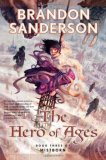
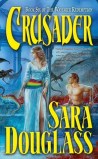
Pictured below are the books that contain my all time favorite endings:


As a reader, I reveled in these endings for months, talking about them as often as I could; and that’s what great endings do – they make you want to share the experience with other readers. I knew I’d love them, but couldn’t really pinpoint why. Now, analyzing them from a writer’s perspective, it’s clear to me that each of these books have a handful of common attributes – ones that I feel are essential elements in crafting a good ending:

1. Momentum

I’ve always preferred endings that result from the culmination of many events. The sort of story progression that starts to build momentum near the middle of the book before careening towards the end – taking the reader along for the ride in the process. It’s all leading up to that moment where everything falls into place – the conflicts reach a climax, the hero fulfills his destiny, and things work out the way they’re supposed to. You know the ones I’m talking about, the books that keep you up until 3 AM on work nights because you just can’t bring yourself to put them down? It all comes down to good momentum. Granted, you can have all of those things without good momentum, but the books that really stick with me all have that hold-your-breath/can’t-put-it-down excitement that make the journey so much more satisfying.

2. Emotional Investment

That’s right, relatability of the main characters throughout a novel plays a huge role in how I feel about the ending. While this attribute seems a given, it is amazing to me how many authors don’t take the time to get the readers emotionally invested in their protagonists. How you build your conflicts around the characters and how they progress an developed through each trial are probably the most important elements of storytelling. If a novel lacks those essential conflicts and development, it’s almost impossible to get me worked up about an ending… even an unbearably sad one. Meanwhile authors who can make me truly care about the character and their conflicts have the power to turn me into a sobbing mess.

3. Feeling “Right”

Any of you who have heard the mixed reviews for the ending of “Allegiant” by Veronica Roth know how subjective a “good” ending can be. A lot of it comes down to the individual tastes and expectations of the reader. I’m one of the people dissatisfied with the ending of the Divergent trilogy and, as I’ve finally managed to figure out why, I’ll explain my reasoning [without spoilers].

Although it’s nearly impossible to please everyone, and ending that makes sense within the framework of the story will generally satisfy most people. In my opinion, Allegiant’s ending wasn’t the logical result of the culmination of events that had preceded it. The momentum leading up to the ending, and in fact the conflicts themselves had the potential to be profound, but instead felt contrived and random.

That’s not to say it a great ending needs to be predictable, it just needs to make sense. I would go so far as to say that unpredictable endings are the best, provided the reader can look back and see a logical progression of how it got there. Essentially, just make sure your ending makes sense in hindsight. Good or bad, an ending has to feel “right” to the reader.

4. Resolution

All of the books I love for their endings have clear conflict resolutions and completed story arcs. The resolutions don’t have to be happy ones, but I will admit I like them better when they are, and I don’t think I’m alone. Marg McAlister Writing 4 Success said it best:

“Most readers treat a novel as an escape from the real world. In the real world, things go wrong; sometimes consequences are dire. A book, however, offers an opportunity to spend a few hours in a happier place, where (mostly) things work out in the end. Authors should keep this in mind.”

Note that McAlister didn’t say specifically not to kill off characters, she just said things needed to work themselves out. If characters need to die to make that happen, be very conscious when that their deaths aren’t for nothing (or worse, for shock value… Mockingjay, I’m talking to you). I understand that sometimes a story calls for a heart-wrenching ending, I’m just not someone who enjoys reading them often. A book that makes me cry because I’m happy always sticks with me longer than one that makes me cry because I’m sad. It’s okay to write a story where things don’t work out for the best, but you might lose a bit of audience appeal, removing that instant urge to recommend it to other people.

Combining the Attributes

Whether you’re writing a stand-alone novel or a twenty book series, focus on building that great momentum, investing the reader in your characters, and resolving your conflicts – letting all of these things influence what the “right” ending should be. In my opinion, having a good ending is almost more important than having a good beginning. The best advertising you can get for your book is word-of-mouth, and a great ending will get people talking!

Extras:

So how does YOUR ending stack up? Jennifer Bosworth in an article featured on the official NaNoRiMo Blog provides a few great questions to ask yourself during revision:

  • Have I set up the ending of this story, or does it come out of nowhere? Have I been too obvious about my set-up, making the ending predictable?
  • Have my main characters arced? Have they completed a transformative journey? 
  • Does my ending support the theme of the book?

I’ve added a few more:

  • Does your ending have a good lead-up (in other words, does it have sufficient momentum?)
  • Have the main conflicts been resolved?
  • Have the characters ended up where you feel they should?

Knowing a little bit about what the expectations for a good ending can go a long way in helping you shape your story. I hope you found my breakdown helpful.

Don’t forget to check out advice from our other contributors (here) – you never know what bit of information will spark a solution for your own writing. The more you know, the closer you are to becoming a successful writer!

by Niki Hawkes

Image

Top Ten Bookish Goals for 2014!

Top ten Tuesday pink

Hosted by The Broke and the Bookish
 Top Ten Bookish Goals for 2014!

 Reading 1 – 5:

1. Stick to my new “Read 4, Buy 1” rule to A. Save more money and B. Enjoy the thousands of books I already own and C. Make me more selective of what I bring home.

 2. Read only the books I’m most excited about, rather than the ones I feel obligated to read.

3. Continue streamlining my book collection, getting rid of everything I won’t read within the next ten years. 

4. Stop worrying about how many books and series I have in progress and just enjoy whatever has caught my interest at the moment.

 5. Limit my Netgalley and Edelweiss requests to only the special ones, thereby furthering the intent of goal #1.

 Writing 6 – 10:

 6. Finish the first draft of my novel by January 31.

  7. Finish the final draft by March 31.

 8. Write and submit a short story for WOTF.

 9. Work on a writing project every single day – even if it only a ten minute scene outline.

 10. Start working on my current novel’s sequel (much later in the year, of course).

I’ve always been a person who enjoys setting and achieving goals, but have never had new year resolutions. I always do everything I set my mind to, but it will be interesting to see how I handle a specific timeframe. Wish me luck!

What are your 2014 resolutions? Are any of them bookish?

by Niki Hawkes

Image

Writing Diaries – Who Has Time to Write?

Writing diaries

I don’t know about you, but I often have difficulty finding the time to write. Between work, family, friends, and the obscene amount of time I spend composing this blog, I’m lucky if I write more than 5000 words a week. This is especially ironic because one of the main reasons I started the blog was to build a platform for my future novel (but has since developed into a passion all its own). It saps up most of my creative energy, leaving me with the constant mental state of “I’ll make up for it tomorrow…”

Writing a novel is difficult for many reasons, but the biggest one is nurturing that motivation to keep going. As most budding writers can relate, it takes a great deal of your free time with few gratifications – even once the story is complete. You have to really want to make it work. I don’t even remember what free time looks like anymore because, if I have a moment to myself, I’m either writing or stressing about writing (which is totally unproductive and not relaxing in the least). The trick is to figure out a schedule that will allow you to feel like you’re making strides within your novel while not placing unreasonable expectations on yourself.

Life gets in the way, and it does your creative energies no good to stress if you don’t have a chance to sit down at the computer every day. When this happens, I’ll take a moment to think about my next scene and maybe jot down some notes in the notebook I always carry with me. Even though I’m not writing, I’m still immersing myself in my story. Doing this allowed my subconscious to continue developing ideas that have led to several “ah-ha” moments throughout the project. I also find it much easier to pick up where I left off when I do this because the ideas have been percolating for days.

So now I have a rhythm down that works for me and my writing processes in all areas but one – when it comes to choosing between blogging and writing, the blog wins every time. They use the same sort of creative mental energy but one gives me instant gratification while the other seems a thankless task. I’ve recently tried to counter this by limiting the amount of posts I do per week to four, rather than the seven I was doing before. It it irritates me to do this because I have enough ideas and content to fill the blog 365 days a year so I’ve had to make some sacrifices. I’ve cut out a book club feature (which took the most effort for the least payoff), limited my other features (such as this one) to be written only after I’ve committed time to my novel for the day, and continued with two book reviews per week. I always see posts from other bloggers explaining why they have slowed down in their content and laugh a bit because I seldom noticed until they pointed it out. I figured the same would be true for my readers. As long as I am consistent with book reviews – the stars of the blog – I’d still be in good shape.

Since I made the change, I’ve noticed a remarkable increase in my amount of creative energy, and am much more able to recognize and take advantage of opportunities to write than I ever have before. Incidentally, my average books read per week has nearly doubled, effectively relieving any stress I felt at having things to review. Overall, it is allowed me to start off NaNoWriMo of with a bang and puts me in a great position to have the first draft of my novel completed by the end of the month… Wish me luck!

 What about you? How do you find the balance between life and writing? What kinds of schedules work for you?

by Niki Hawkes